
ABA Therapy in Mississauga:
The Complete Parent's Guide (2026)
Your Child Was Just Diagnosed. Here's What You Need to Know
You're Not Alone in This Journey
Your child has just been diagnosed with autism. That’s a lot to process and it’s completely okay to feel overwhelmed, scared, and uncertain about what comes next. Many parents describe this moment as a turning point. The path forward can feel unclear, even frightening.
But here is what we want you to know right now: you are not alone. Thousands of families across Mississauga and Ontario are walking this same road. And with the right support, your child can grow, thrive, and build a life full of connection and possibility.
Understanding Your Child's Autism Diagnosis
In Canada, approximately 1 in 66 children is diagnosed with autism spectrum disorder (ASD), according to Statistics Canada. Autism is not a disease. It is a different way of experiencing and interacting with the world. Your child is still the same child you have always loved. This diagnosis simply opens the door to the right kind of support.
One of the most powerful tools available to families right now is Applied Behaviour Analysis (ABA) therapy. Research shows that early, intensive ABA intervention can improve developmental outcomes by up to 90%. That is a remarkable statistic. And it is why acting early matters.
The First Steps After Diagnosis
This guide is designed to answer your most pressing questions. It covers what ABA therapy is, who it helps, how it works, and how NeuroSpark Adaptive Learning Centre Mississauga’s trusted ABA provider can support your family every step of the way.
Whether you are exploring options for the first time or ready to get started, you will find clear, honest, and compassionate information here. Let’s begin.
NeuroSpark Adaptive Learning Centre is located at 57 Queen Street S, Mississauga. Call us at (905) 286-9444.
Visit neuro-spark.ca to begin your journey.
What Is ABA Therapy? (Simple Plain-Language Explanation)
The Science Behind Behaviour Change
Applied Behavior Analysis (ABA) therapy is a research-based, structured approach that uses learning principles and positive reinforcement to improve behaviors, communication, and social skills, primarily in individuals with autism. It focuses on increasing helpful behaviors while decreasing harmful ones by breaking complex skills into manageable, rewarding steps.
At its core, ABA therapy is about understanding behaviour. It asks: why does a child do what they do? What happens before and after a behaviour? And how can we use that understanding to help a child learn something new?
How Positive Reinforcement Works
Think about how you learned to ride a bike. Someone cheered when you balanced. Someone encouraged you when you wobbled. That encouragement and positive feedback motivated you to keep trying. ABA therapy works on the same principle.
Positive reinforcement is the foundation of ABA. When a child demonstrates a desired skill or behaviour, they receive immediate, meaningful praise or a reward. Over time, this builds a clear connection between the behaviour and a positive outcome. The child is motivated to repeat and expand that skill.
This is not about bribing children. It is about finding what genuinely motivates each child whether that is a favourite toy, a sticker, praise, or access to a preferred activity and using that to fuel learning.
Why ABA Is Different From Other Therapies
ABA therapy stands apart because it is:
- Individualized: Every child receives a programme tailored to their specific needs and goals.
- Goal-oriented: Goals are written in clear, measurable terms so families can see exactly what their child is working toward.
- Data-driven: Therapists collect data on every session to track progress and adjust the programme continuously.
- Evidence-based: ABA is backed by over 60 years of scientific research and endorsed by leading health authorities worldwide.
For example, a therapist working with a 3-year-old who is not yet speaking might start by teaching them to point at desired objects. As the child masters that skill, goals expand to vocalizations, then single words, then two-word phrases. Every step is planned, measured, and celebrated.
ABA therapy does not attempt to change who your child is. It builds the skills your child needs to communicate, connect, and thrive on their own terms.
Who Benefits Most From ABA Therapy?
Autism Spectrum Disorder and Beyond
ABA therapy was developed primarily for children with autism spectrum disorder and remains the gold standard for ASD support. But ABA’s principles of learning are applicable far beyond autism. Children with the following diagnoses also benefit significantly:
- Autism Spectrum Disorder (ASD)
- Developmental delays and intellectual disabilities
- Communication and language difficulties
- Attention-Deficit/Hyperactivity Disorder (ADHD)
- Sensory processing challenges
- Anxiety and emotional regulation challenges
Condition | How ABA Helps | Common Goals |
Autism (ASD) | Communication, social skills, daily routines | Language, independence, behaviour regulation |
ADHD | Focus, impulse control, task completion | Attention skills, self-monitoring |
Developmental Delays | Skill acquisition across developmental areas | Cognitive, motor, communication skills |
Sensory Processing | Tolerance training, coping strategies | Reduce sensory avoidance, build comfort |
Communication Delays | Language modelling, AAC support | Expressive and receptive language |
Age Doesn't Matter: ABA for All Ages
One of the most important things to understand about ABA therapy is that it is never too late to begin. While early intervention ideally before age 5 produces the most dramatic results, ABA is effective at every age:
- Toddlers (1–3 years): Focus on language development, play skills, and early social interaction.
- School-age children (4–12 years): Academic readiness, peer relationships, and classroom behaviour.
- Teenagers (13–17 years): Social skills, self-advocacy, life skills, and transition planning.
- Young adults (18+): Vocational skills, independence, community participation.
When to Consider ABA Therapy
If your child has recently been diagnosed with autism, ABA therapy should be one of your first conversations. But you do not need to wait for a formal diagnosis to explore ABA services. If you are concerned about:
- Limited or absent language development
- Repetitive behaviours that interfere with daily life
- Difficulty transitioning between activities
- Difficulty with social interactions or play
- Challenging behaviours such as aggression, self-injury, or extreme tantrums
…then a consultation with NeuroSpark’s clinical team is a meaningful first step. Learn more at our ABA Service.
How ABA Therapy Works at NeuroSpark Mississauga
The NeuroSpark Assessment Process
Every child who comes to NeuroSpark begins with a thorough, individualized assessment. This is not a one-size-fits-all intake process. Our clinical team takes the time to truly understand your child’s strengths, their challenges, their interests, and their goals.
Here is what the NeuroSpark process looks like:
- Initial consultation and intake: You speak with our team, share your child’s history, and ask questions. We listen.
- Comprehensive assessment: A BCBA evaluates your child’s skills, communication, behaviour, and learning profile in detail.
- Individualized programme design: Your BCBA creates a customized plan with clear, measurable goals tailored to your child.
- Therapy delivery: Sessions begin, delivered in our centre at 57 Queen Street S, Mississauga, at home, or in a combination of both.
- Parent training: We equip you with practical strategies to support your child’s learning at home and in everyday life.
- Progress monitoring: Therapists collect data in every session. Your BCBA reviews this data regularly to ensure the programme is working.
- Regular programme reviews: Goals are updated as your child grows. We celebrate achievements and set new targets together.
Individualized Programme Design
No two children are the same. That is why every NeuroSpark programme is built from scratch for each individual child. Goals are written in measurable, observable terms so progress is visible and objective. Your BCBA will work with you to identify priorities that matter most to your family whether that is communication, independence, social skills, or managing difficult behaviours.
Therapy Delivery: Centre-Based and In-Home Options
NeuroSpark offers flexible therapy delivery to meet your family’s needs:
- Centre-based therapy: A structured, distraction-free environment purpose-built for focused skill-building.
- In-home therapy: Therapy delivered at home allows skills to be practised in the natural environment, supporting generalization to real-life situations.
- Hybrid approach: Many families benefit from a combination of both settings for maximum effectiveness.
Our multidisciplinary team includes BCBA clinicians, Registered Behaviour Analyst (RBA) technicians, Speech-Language Pathologists, Occupational Therapists, and a Psychotherapist all collaborating to support your child holistically.
Types of ABA Therapy Services Offered
Standard ABA: Flexible and Accessible
Standard ABA therapy is designed for children who need regular, structured support but may not require the highest intensity of intervention. It typically ranges from 5 to 20 hours per week and can be delivered at our centre, in your home, or both. This is an excellent starting point for many families and can be scaled up as needed.
Intensive Behavioural Intervention (IBI): High-Impact Therapy
Intensive Behavioural Intervention (IBI) is a specialized, high-intensity form of ABA therapy specifically designed for children with autism. IBI typically involves 20 to 40 hours of therapy per week and is delivered by highly trained BCBA clinicians. Research consistently shows that IBI produces significant gains in communication, cognition, and adaptive behaviour, particularly in young children.
IBI is available at NeuroSpark and is funded through the Ontario Autism Program. Learn more at our IBI Service page.
Specialized Programmes: Social Skills, Life Skills, and More
NeuroSpark also offers targeted programmes beyond core ABA and IBI:
- Social Skills Groups: Structured peer-based sessions that teach conversation, cooperation, friendship, and community skills.
- Life Skills Training: Practical skills for daily living hygiene, meal preparation, money management, transit use, and more.
- Speech Therapy: Integrated support from our Speech-Language Pathologist for expressive and receptive language development.
- Occupational Therapy: Support for sensory processing, fine motor skills, and activities of daily living.
- Psychotherapy: Mental health support for children and families navigating the emotional aspects of an autism diagnosis.
Service | Hours/Week | Intensity | Age Range | Best For |
Standard ABA | 5–20 hrs | Moderate | All ages | Skill development, behaviour support |
IBI | 20–40 hrs | High | Toddlers & school-age | Early autism intervention, significant delays |
Social Skills | 2–5 hrs | Low–Moderate | 5–17 years | Peer interaction, communication |
Life Skills | 2–5 hrs | Moderate | Teens & adults | Independence and daily living |
How Is ABA Therapy Funded in Ontario?
Understanding the Ontario Autism Program (OAP)
Funding is one of the biggest concerns for families exploring ABA therapy. The good news: Ontario has a robust funding programme specifically for families of children with autism. The Ontario Autism Program (OAP), administered by the Ontario Ministry of Children, Community and Social Services, provides financial support for core clinical services including ABA and IBI therapy.
Families can access OAP funding once their child has received a diagnosis from a qualified professional. Funding amounts are based on age and the child’s clinical needs. The OAP is designed to help families access the services their child needs without facing the full financial burden alone.
Core Clinical Services: What's Covered
Under the OAP, core clinical services include:
- Applied Behaviour Analysis (ABA) assessment and therapy
- Intensive Behavioural Intervention (IBI)
- Caregiver-mediated early years programmes
- Foundational family services and supports
OAP funding is not unlimited, but it provides meaningful financial relief for many families. Private insurance plans including those offered by many Ontario employers often provide additional coverage for ABA therapy. OHIP coverage for ABA services is limited, but our team can help you understand all available options.
What Makes NeuroSpark Different From Other ABA Providers in Mississauga?
Credentials and Clinical Excellence
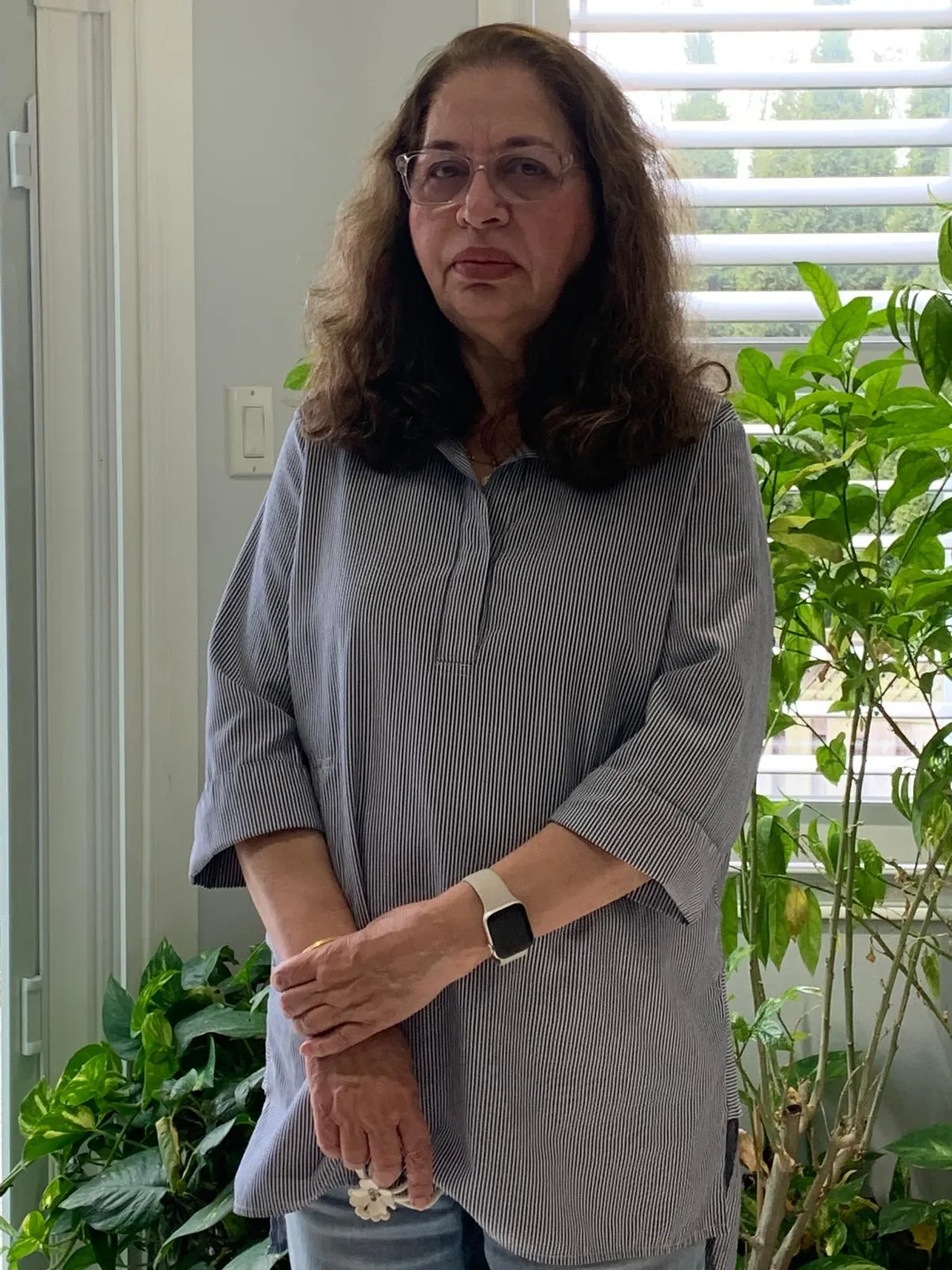
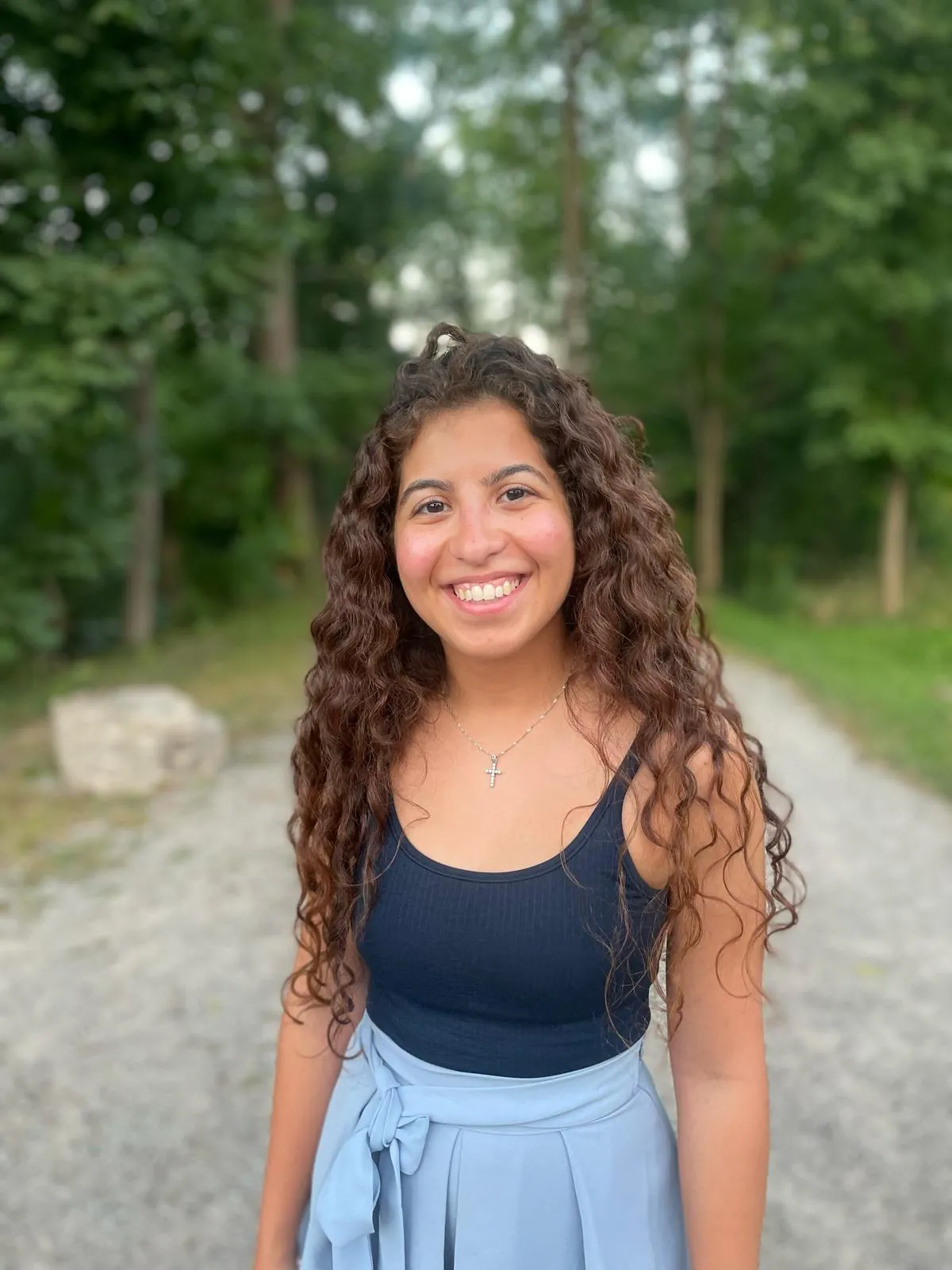
When you choose an ABA provider, credentials matter enormously. At NeuroSpark, our team is made up of highly credentialed professionals committed to clinical excellence:




Family-Centred, Evidence-Based Care
NeuroSpark is built on the belief that families are partners in therapy not bystanders. Every programme includes robust parent training so that the strategies your child learns in therapy transfer naturally into daily life at home, at school, and in the community.
Our approach is rigorously evidence-based. Every decision is guided by data collected during sessions. We do not rely on gut feelings. We measure, analyse, and adjust continuously to ensure your child is making meaningful progress toward their goals.
Local Expertise, Compassionate Support
NeuroSpark is proudly rooted in Mississauga. Our centre at 57 Queen Street S is easily accessible and designed to be welcoming for children and families. We understand the unique context of Ontario’s autism funding landscape, local school systems, and community resources knowledge that directly benefits the families we serve.
We are also deeply committed to a neurodiversity-affirming philosophy. We celebrate every child’s unique strengths. Our goal is not to make your child “neurotypical” , it is to help them build the skills they need to live a fulfilling, self-determined life.
We maintain full compliance with Ontario’s privacy regulations, including PIPEDA (Personal Information Protection and Electronic Documents Act) and PHIPA (Personal Health Information Protection Act). Your family’s information is always handled with the highest level of confidentiality and care.
Real Parent Stories: Testimonials
When we started at NeuroSpark, our daughter had fewer than 10 words. Within six months of consistent ABA therapy, she was using two-word combinations and initiating conversations. The team's patience and expertise gave us hope when we felt lost. Parent of a 4-year-old, Mississauga
Our son's challenging behaviours were affecting his ability to attend school. NeuroSpark's team worked with us to understand the triggers and teach replacement skills. Now he's thriving in the classroom."Parent of a 7-year-old, Mississauga
We worried our son would never be independent. The Life Skills programme at NeuroSpark has been transformative. He's now managing his own hygiene routine and helping with household tasks. Parent of a 14-year-old, Mississauga NeuroSpark's integrated approach combining ABA with speech therapy and occupational therapy has been game-changing. Our daughter is not just learning behaviours; she's developing confidence and skills for life." Parent of a 5-year-old, Mississauga
How to Get Started at NeuroSpark
The First Step: Free Consultation
Taking the first step can feel daunting. But it does not have to be. NeuroSpark makes the process as straightforward and welcoming as possible. Here is how to begin:
- Call (905) 286-9444 to schedule your free initial consultation. A member of our team will answer your questions and set up your first appointment.
- Complete the intake form at neuro-spark.ca to provide some initial information about your child. This helps our clinical team prepare for your consultation.
- Visit us in person at 57 Queen Street S, Mississauga. Our centre is easily accessible and designed to be welcoming for children and families.
What to Expect During Your Initial Assessment
During your first consultation, you will meet with a member of our clinical team in a relaxed, no-pressure setting. You will have the opportunity to:
- Share your child’s history, diagnosis, strengths, and challenges
- Ask any questions you have about ABA therapy and our approach
- Learn about the OAP funding process and what financial support may be available
- Understand what a customized assessment and programme might look like for your child
There is no obligation to proceed after the consultation. Our goal is to make sure you leave feeling informed, supported, and confident in whatever next steps you choose.
Your Path to Support Starts Here
We understand the emotional weight of an autism diagnosis. We have supported hundreds of Mississauga families through this journey and we know what it takes to turn uncertainty into hope, and hope into measurable progress.
You don’t have to figure this out alone. NeuroSpark is here to help.
Call us: (905) 286-9444 Visit us: 57 Queen Street S, Mississauga Online: neuro-spark.ca
Frequently Asked Questions
Most families notice initial changes within 4–8 weeks of starting therapy. Meaningful, measurable progress typically emerges within 3–6 months of consistent sessions. The rate of progress depends on several factors, including the intensity of therapy, your child's age and starting skill level, and how consistently strategies are reinforced at home. Your BCBA will set realistic expectations and share progress data with you regularly.
The right number of therapy hours depends entirely on your child's individual needs and goals. As a general guide, standard ABA ranges from 5 to 20 hours per week, while Intensive Behavioural Intervention (IBI) typically involves 20 to 40 hours per week. Your BCBA will recommend the right intensity level after conducting a comprehensive initial assessment.
Earlier intervention produces the most significant outcomes research shows that starting before age 5 has the greatest impact on long-term development. However, ABA therapy is genuinely effective at every age. Teenagers and adults benefit from ABA through social skills programmes, life skills training, and vocational support. There is no age at which ABA stops being valuable.
Yes. ABA is the most thoroughly researched intervention for autism and is recognized as the gold standard by Health Canada, the American Psychological Association, and major health authorities worldwide. Studies consistently show that early, intensive ABA therapy can improve developmental outcomes by up to 90%. At NeuroSpark, every programme is data-driven to ensure your child is making real, measurable progress.
No. Modern ABA therapy at NeuroSpark is positive, play-based, and child-led. It uses positive reinforcement, never punishment, aversives, or any technique that causes distress. Our approach is neurodiversity-affirming: we celebrate every child's unique strengths and focus entirely on their well-being, dignity, and joy in learning.
Both options are available at NeuroSpark and both are effective. Centre-based therapy offers a structured, purpose-built learning environment. In-home therapy allows skills to generalize naturally into your child's everyday setting. Many families benefit most from a hybrid approach that combines both settings. Your BCBA will recommend the most appropriate arrangement based on your child's needs and your family's circumstances.
ABA (Applied Behaviour Analysis) is the overarching science of behaviour, a broad set of principles and techniques used to teach skills and reduce challenging behaviours across many populations. IBI (Intensive Behavioural Intervention) is a specific, high-intensity application of ABA designed specifically for children with autism. IBI involves 20–40 hours of therapy per week and is typically recommended for young children who would benefit from the most intensive level of early intervention. NeuroSpark offers both ABA and IBI programmes.
The best way to find out is to schedule a free initial consultation. You will meet with members of our clinical team, discuss your child's history and needs, and get a sense of our approach and values. We are completely transparent about our methods, credentials, and outcomes. There is no obligation. We want you to feel confident and informed whatever you decide. Visit /contact/ to schedule your consultation or call (905) 286-9444.
ABA therapy does not have a fixed endpoint; it evolves alongside your child. As your child masters initial goals, new targets are set. Some families transition from intensive IBI to standard ABA maintenance therapy. Others move on to specialized programmes such as social skills groups or life skills training. NeuroSpark works with you to plan for your child's long-term future, ensuring continuity of support as they grow and their needs change.